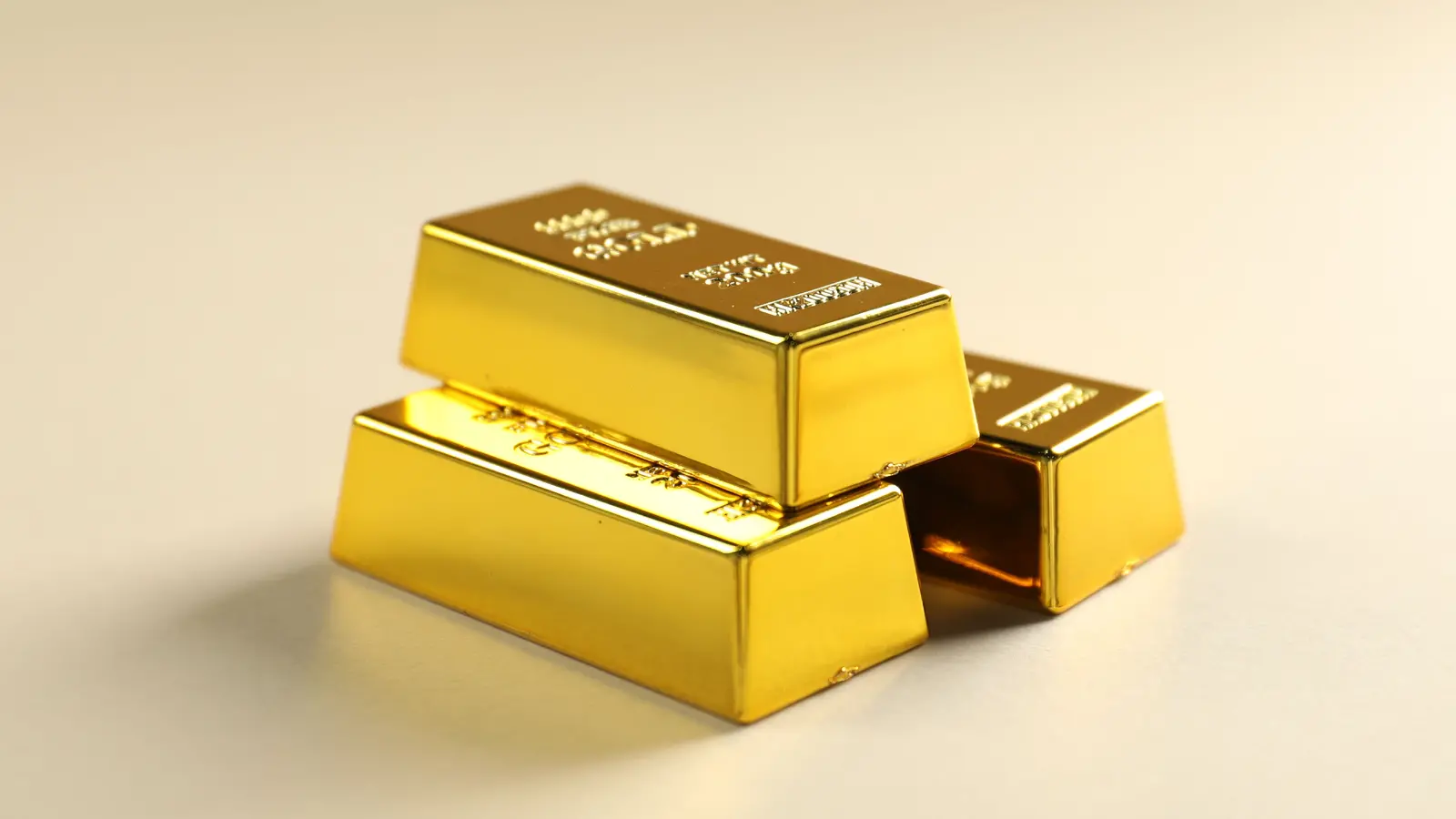
Gold Price
Gold Price Hike: Global Uncertainty and Central Bank Buying Fuel the Rally
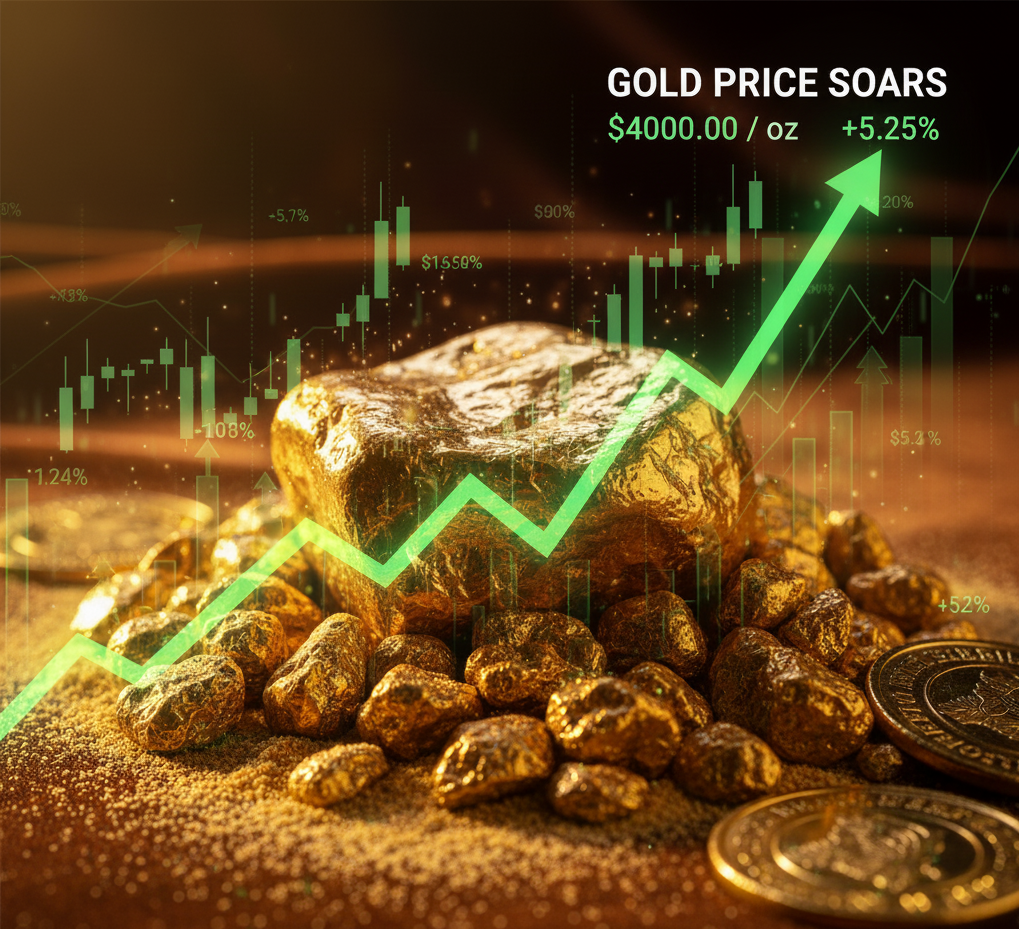
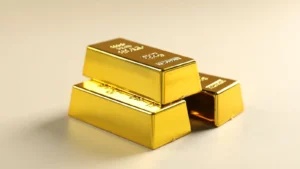
[City, Date] – Gold, the perennial safe-haven asset, has once again captured global attention as its price surges to unprecedented levels, crossing the $4,000 per ounce mark in recent weeks.1 This remarkable rally, which makes gold one of the strongest-performing assets this year, is a clear reflection of the deep-seated anxieties and major shifts underway in the global financial and geopolitical landscape.
The spike in gold prices is not driven by a single factor but by a powerful confluence of macroeconomic and geopolitical forces, all pointing investors toward the security of the yellow metal.

Key Drivers Behind the Gold Price Hike
1. The “Safe Haven” Rush Amid Geopolitical Tensions:
The primary catalyst for gold’s ascent is its time-honoured role as an insurance policy against uncertainty.4 Escalating geopolitical conflicts, persistent global trade tensions, and political instability in major economies have triggered a significant flight of capital away from riskier assets like stocks and towards gold.5 Investors are seeking a reliable store of value when the stability of currencies and traditional markets is questioned.
2. Relentless Central Bank Buying:
A structural, non-cyclical shift is underway among central banks worldwide, which are now a dominant force in the gold market.7 Seeking to diversify their foreign reserves away from the U.S. dollar amid rising global economic uncertainties, central banks have been purchasing gold at a record pace.8 Countries like China, India, and Turkey are consistently adding substantial tonnes of gold to their reserves, providing a solid, fundamental floor for its price.
3. Persistent Inflation and Weakening Dollar:
Stubbornly high inflation in major economies continues to erode the purchasing power of fiat currencies.10 Gold is a classic hedge against inflation, as it retains its intrinsic value when paper money declines.11 Furthermore, a consistently weak U.S. dollar makes gold, which is priced in the currency, cheaper for holders of other global currencies, thereby stimulating demand.
4. Monetary Policy Expectations:
Expectations of future interest rate cuts by the U.S. Federal Reserve have also supported the rally.13 Gold is a non-yielding asset, meaning it does not pay interest.14 When interest rates are low or expected to decline, the opportunity cost of holding gold decreases, making it more attractive compared to lower-yielding bonds or bank deposits.
5. Investor Flows into Gold ETFs:
Institutional and retail investment demand, particularly through gold Exchange-Traded Funds (ETFs), has surged.16 This inflow signifies a broadening base of investors strategically allocating capital to gold for portfolio diversification and protection against market volatility. Recent data shows record monthly inflows into gold ETFs, reinforcing the bullish momentum.
The Outlook: Headwinds vs. Tailwinds
While some analysts warn that the rapid rise may lead to a short-term correction, the medium-to-long-term outlook for gold remains robustly bullish.
- Bullish Tailwinds: The underlying factors of sustained central bank purchases, persistent geopolitical risks, and the long-term quest for an inflation hedge are expected to keep gold prices well-supported.19 Some major financial institutions have raised their price targets, projecting gold could reach as high as $4,900 per ounce by late 2026.
- Potential Headwinds: A sudden, strong rebound in the U.S. dollar, an aggressive move by the Federal Reserve to raise interest rates, or a resolution of key global geopolitical flashpoints could potentially trigger a near-term pullback.
Conclusion
The current gold price hike is more than a momentary spike; it appears to be a systemic response to a world in flux. As long as economic uncertainty prevails, inflation remains sticky, and central banks continue their gold accumulation, the precious metal is set to retain its radiant status.21 For investors, gold is cementing its role as the critical balancing asset—a shield against volatility and a definitive measure of global financial anxiety.
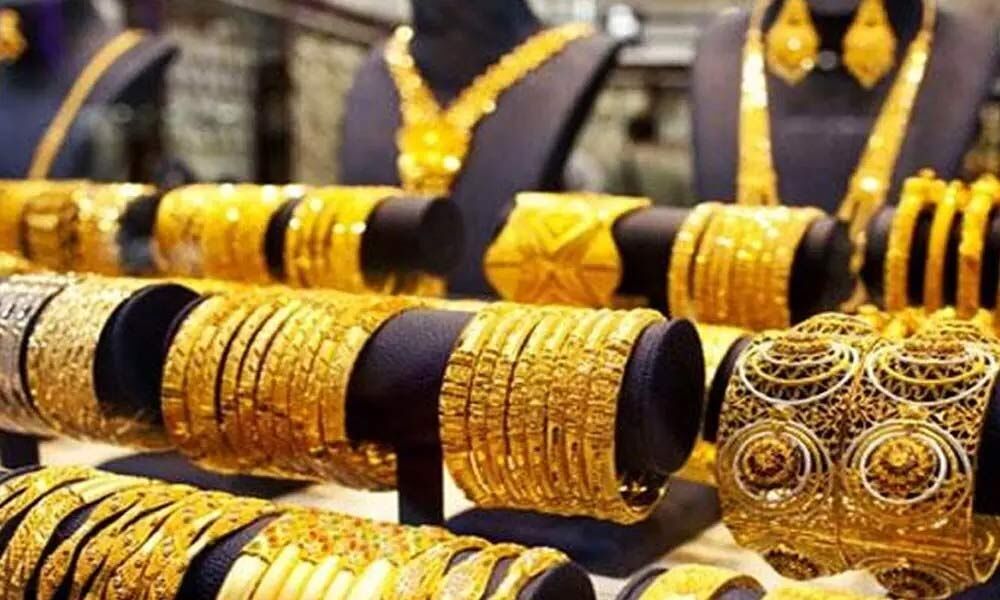
Is 9-Carat Gold Jewellery a Wise Investment This Diwali? An Expert Analysis
As the festive season of Diwali and Dhanteras approaches, the age-old tradition of buying gold as a symbol of prosperity and a store of value is once again at the forefront of consumer minds. However, with record-high bullion prices across the country, a growing number of buyers—especially younger generations—are turning to more budget-friendly options, raising a crucial question: Is 9-carat gold jewellery worth buying for investment this Diwali?
Industry experts are largely in agreement: while 9-carat gold serves a purpose, that purpose is primarily fashion and affordability, not wealth preservation.
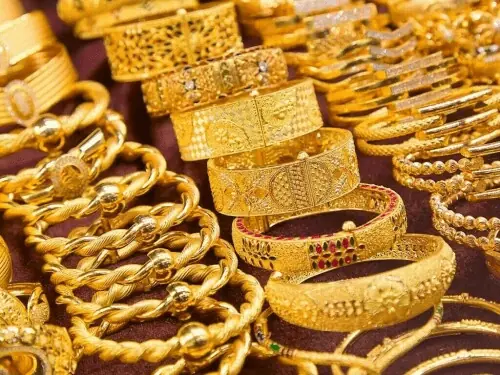
The Purity Problem: What is 9-Carat Gold?
The key distinction lies in the gold’s purity. Gold purity is measured in carats, with 24-carat being pure gold (99.9%).
- 22-Carat Gold is typically 91.6% pure and is the common standard for investment-grade jewellery in India.
- 18-Carat Gold is 75% pure.
- 9-Carat Gold, by contrast, contains only 37.5% pure gold, with the remaining 62.5% being a mix of other alloys like copper, silver, or zinc.
According to bullion and jewellery associations, this low gold content fundamentally limits its utility as an investment asset.
Investment vs. Lifestyle: A Clear Divide
Financial experts draw a sharp line between gold purchased for investment and gold purchased for adornment.
1. Poor Resale Value: The resale value of gold is intrinsically linked to its raw bullion content. Since 9-carat gold has the lowest purity, its value is mainly driven by the design’s aesthetic appeal and the initial making charges, not the gold price. “A small quantity of high-purity gold always beats a large quantity of diluted metal,” states a market analyst, emphasizing that with 9-carat, its low intrinsic value means it’s often unlikely to be accepted by most jewellers for exchange or resale at a price linked to the current gold rate.
2. Making Charges vs. Bullion Price: For any piece of jewellery, you pay the gold’s value plus making charges and Goods and Services Tax (GST). When buying low-carat jewellery, the high percentage of non-gold metal means the making and design charges represent a disproportionately large part of the final cost. When you sell, the making charges are lost, significantly eroding any potential return. For investment, 22-carat or 24-carat gold coins or bars are superior as they minimize making charges relative to the bullion value.
3. Durability for Daily Wear: The appeal of 9-carat gold lies in its practicality. The higher percentage of alloys makes the metal much harder and more durable than 22-carat gold, which can be prone to bending. For everyday-wear items like rings, bracelets, or affordable fashion pieces, 9-carat and 14-carat are practical and stronger choices. “Jewellery made from 9K is a personal asset, not an investment,” says one expert.
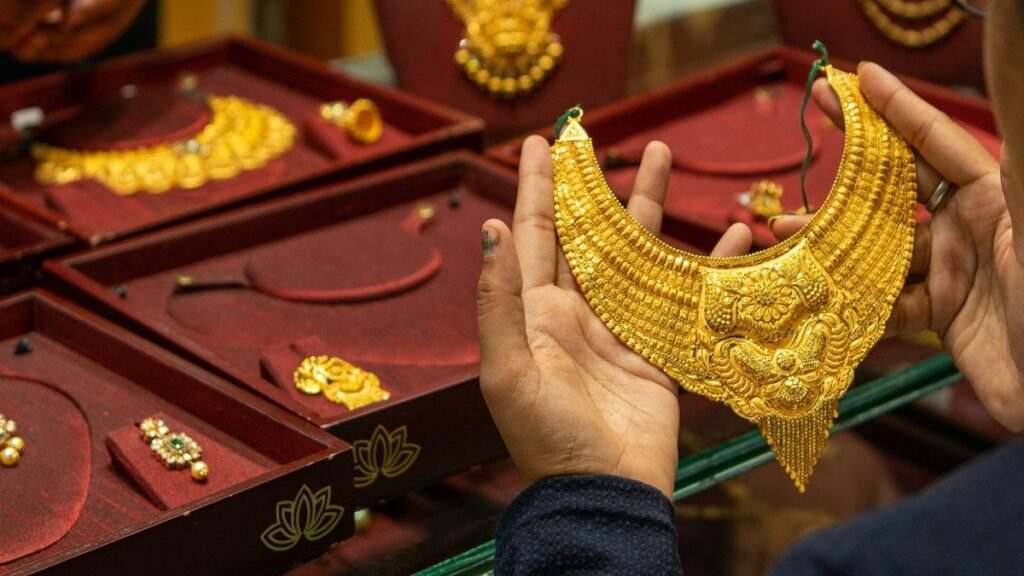
The Verdict for Diwali Buyers
Diwali and Dhanteras purchases are often driven by sentiment, tradition, and the auspicious timing of the festival, rather than pure financial returns.
| Purity Level | Primary Purpose | Investment Viability | Key Takeaway |
| 24-Carat | Investment (Coins, Bars, Digital) | Excellent | Highest purity; best for capital appreciation. |
| 22-Carat | Traditional Jewellery/Investment | Good | High gold content; standard for buy-back schemes. |
| 9-Carat | Fashion/Affordable Wear | Poor | Low gold content (37.5%); value is mostly in making charges. |
The Bottom Line: If your primary goal this Diwali is long-term wealth preservation or to buy gold with a strong buy-back guarantee, you should stick to 22-carat or 24-carat gold.
However, if you are a budget-conscious buyer or a younger consumer looking for a fashionable, durable, and affordable piece of gold jewellery to wear daily, 9-carat gold, now increasingly available with government-approved hallmarking, offers a viable entry point into the asset class without the hefty price tag of purer gold. Just be clear: you are buying a lifestyle product, not a sound investment.





2 thoughts on “Gold Price”